Argentina is famous for Evita, Maradona, and Messi, but also for its outstanding, juicy Argentine steaks.
Why is Argentine beef famous around the world, and why is it worth having on your plate?
1. An ancient tradition of cattle raising
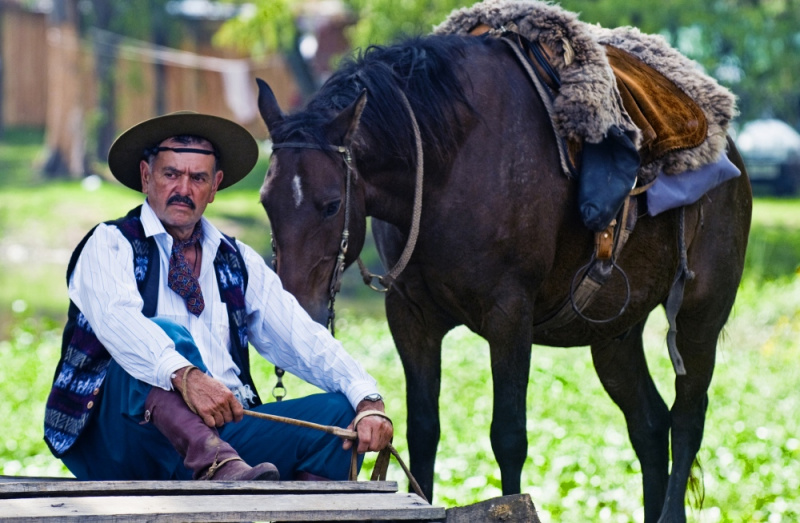
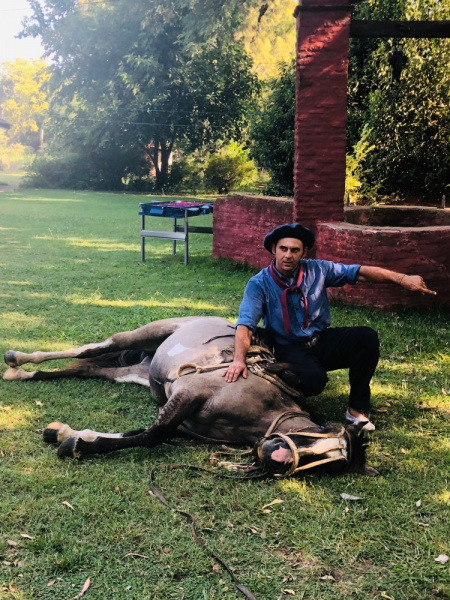
Beef production in Argentina is an ancient tradition of the local people, known as gauchos (pronounced “gau-chos”), and an integral part of the national identity. Gauchos, Argentine cattle herders, typically led a nomadic lifestyle and, aside from their herds, possessed only what they carried with them. They could effortlessly tend to their herds of cows, horses, or sheep, catch a llama, and tame and train a horse in the blink of an eye. They were and still are masters of grilling over an open fire, a practice known in Argentina as “asado.” To this day, gauchos live on many Argentine farms, known as “estancias.”
2. Happy cows that know nothing of stress, antibiotics, or hormones
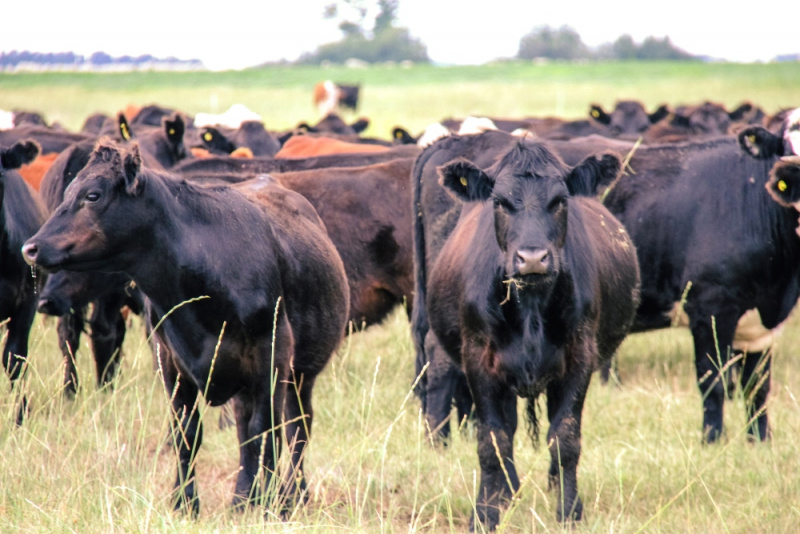
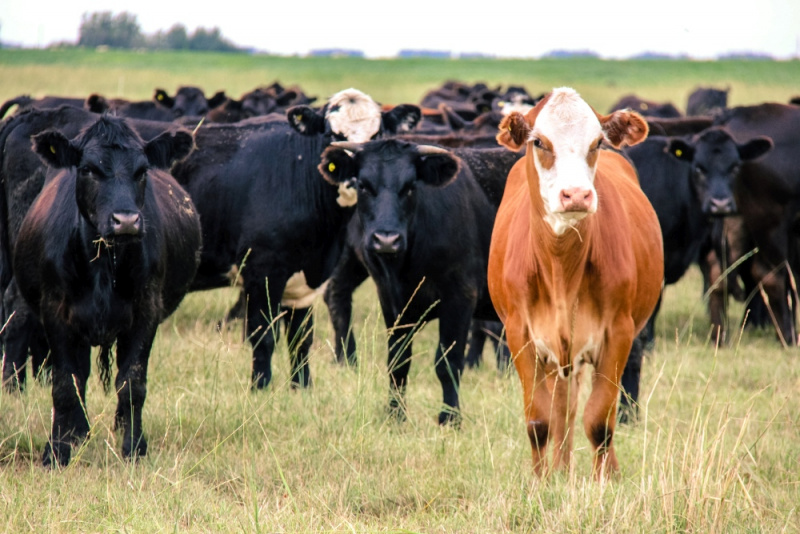
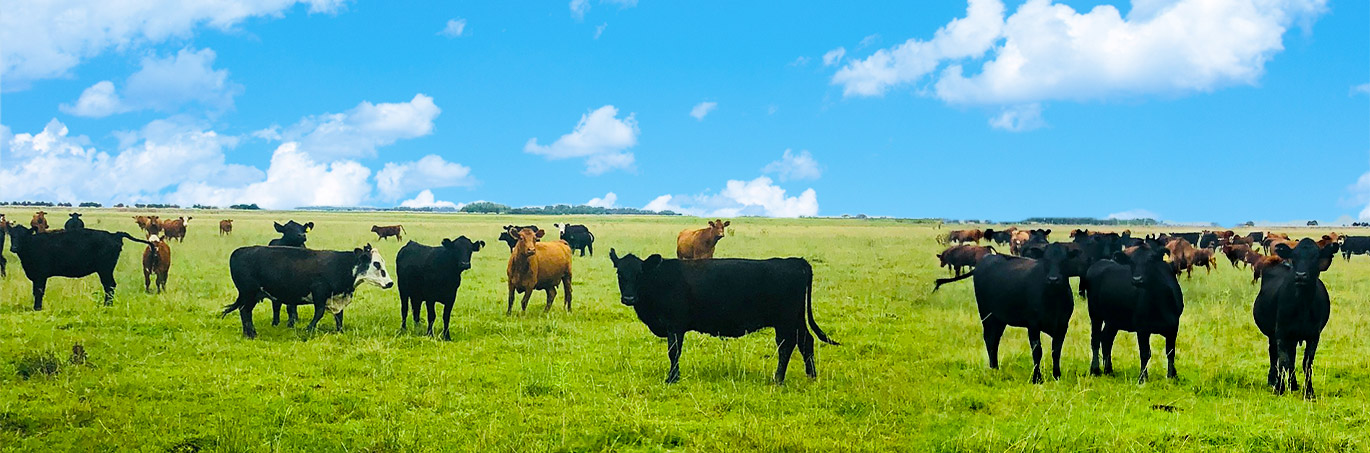
Argentina offers ideal conditions for raising cattle. Here, on 60 million hectares, cows graze year-round on the vast grassy plains known as the Pampas. They get plenty of exercise, which contributes to the tenderness and juiciness of the meat. The cattle are not raised under stressful conditions in barns, and the use of growth hormones and the preventive administration of antibiotics as growth stimulants has been prohibited by law in Argentina since 2004. They spend their entire lives outdoors and feed on grass. During the final 90 days, the bulls may be fed a mixture of corn, soybeans, and other grains grown on the farm to increase the proportion of intramuscular fat, known as marbling.
3. A high-quality source of protein, vitamins, and minerals
Argentine beef from young castrated bulls raised for approximately 24 months (known as “veal”) stands out not only for its unique tenderness and juicy flavor, but also for its excellent nutritional value. It is rich in high-quality protein, vitamins B6, B9, and B12, iron, zinc, phosphorus, and selenium, as well as the highly beneficial omega-6 linoleic acid. At the same time, it is low in cholesterol and fat.

4. Perfect flavor, tenderness, and juiciness
Argentine beef has a rich color and flavor and is so tender and juicy that you don’t need any spices or marinades when preparing it. The best way to enjoy Argentine steaks, just like the Argentines do, is lightly salted and cooked medium or medium rare in a steak pan or on a charcoal grill. Typical Argentine side dishes include grilled vegetables, roasted potatoes, and chimichurri or criolla salsa. Don’t forget to open a bottle of good Argentine Malbec to go with your steak thanks to its full-bodied structure and robust tannins, it pairs wonderfully with beef steaks.
5. Processing and transportation under strict sanitary conditions
“The meat from young wolves is processed in Argentina under strict sanitary conditions and is then aged for 4–5 weeks in a vacuum a process known as ‘wet aging’ on ships in refrigerated containers at a temperature of 0–3 degrees Celsius.” It is then transported by refrigerated trucks to Pampas Market’s cold storage units.
RECOMMENDED STORAGE
At a temperature of 0–3 °C, it will stay fresh for several months, depending on the expiration date listed on the package. In a standard refrigerator, which typically keeps food at 5–7 °C, its shelf life decreases, and it will last about 3–5 days. The meat can also be frozen, where it will retain its quality for up to 1 year. But it’s best enjoyed fresh.
Photos: Gabriel and Petra Ruberto during a personal visit to a farm in Argentina