In a small bowl alongside a glass of beer or wine. On the table as a snack throughout the evening. In meat dishes, vegetable dishes, baked goods, salsas… That’s not all, we find olives everywhere when we travel to southern Europe.
Olives are among the star ingredients of Mediterranean cuisine. Not only because of their versatility, but also because of their ability to easily add a special touch to a dish and provide a wealth of health-promoting nutrients.
Where did olives come from?
Olive trees likely originated in the Levant, a region along the eastern coast of the Mediterranean Sea. They spread to virtually all countries in the Mediterranean region and took root in the small fields there.
Olives have earned an irreplaceable place in traditional Mediterranean cuisine. Since ancient times, they have been used to produce oil, and relatively early on, people began preparing them for direct consumption as well. They were often an important source of nutrients in poorer regions and a commodity that generated income.
Types of olives
There are many varieties of olive trees. Some produce olives intended solely for oil production, others solely for consumption, while still others produce olives that can be used for both purposes.
It might seem that we can divide olives into green and black olives. However, the color of olives does not depend on the variety, but on when the fruit was harvested. Green olives are picked before they are ripe. As the fruit ripens on the tree, it darkens and is harvested as purple or black olives. Along with their color, their flavor, nutritional content (including oil content), and ultimately the method of subsequent processing also differ.
Olives are generally classified based on their oil content and, consequently, their ideal use. There are cultivars with a high oil content that are used for pressing such as Picual or Cornicabra. Others have a lower oil content and are eaten as table olives such as the Gordal or Manzanilla varieties. And finally, there are versatile varieties, such as Hojiblanca.
Individual varieties also differ in shape, size, taste, and aroma and, of course, in their nutritional content.

Processing of the olives
Harvested green, unripe olives are first soaked in an alkaline solution—which is most commonly prepared today using sodium hydroxide, though in traditional production, lime or ash may also be used. This bath removes the bitterness from the olives and prepares them for the fermentation process. They are then transferred to a brine solution. Black olives are usually soaked directly in the brine. For both types, additional ingredients may be added at this stage, very often vinegar or an acidifier in the case of green olives, or herbs. Fermentation occurs during soaking in the brine, but it proceeds more quickly in olives that have been treated with the alkaline solution.
After the required time, the olives are packaged and preserved as needed.
Specific processing methods particularly the duration of each stage and the ingredients used during them have a major impact on the final quality of the olives. Olives processed using traditional methods and natural ingredients have a better flavor and are more nutritious. In contrast, typical supermarket olives have a uniform taste and contain undesirable additives such as preservatives and MSG. Without chemical treatment, olives would often lack the proper flavor and a sufficiently long shelf life, since they have not undergone the traditional processing and have not been able to develop these characteristics.
Finally, we shouldn’t overlook flavored olive blends. They are made by mixing different varieties of olives and enhanced with the addition of vegetables, herbs, and spices.
What makes olives so special?
We can snack on olives on their own or use them to prepare an endless variety of delicious dishes. The taste of olives varies depending on how they’re processed. As a result, we perceive varying degrees of sourness, sweetness, bitterness, and saltiness on our tongues. It’s precisely this blend of flavors that can sometimes seem addictive.
Of course, their popularity is also fueled by the fact that they’re healthy—they contain high-quality fats, as well as a variety of vitamins and minerals. They have traditionally been a source of calcium. Black olives, in particular, are notable for their high iron content.

Olives with pits or without pits?
Olives are sold with or without pits. Or stuffed.
At first glance, it might seem that pitted olives are better that we don’t have to bother with the pits. The truth is, however, that olives with pits tend to have a more pleasant, interesting flavor and texture. The skin protects the inside of the fruit and helps lock in more flavor within the olive. So for snacking, olives with pits are a much tastier choice.
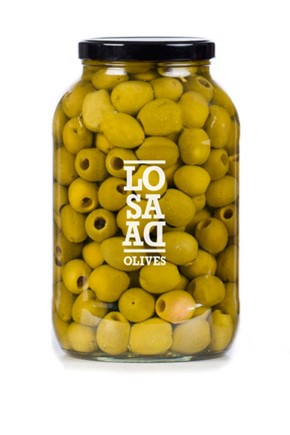
Pitted olives absorb more flavor from the brine and lose some of their own juice. However, they’re more practical if you want to cook with olives. And they’re easy to use when preparing an aperitif.
Four Olive Tips to Wrap Things Up
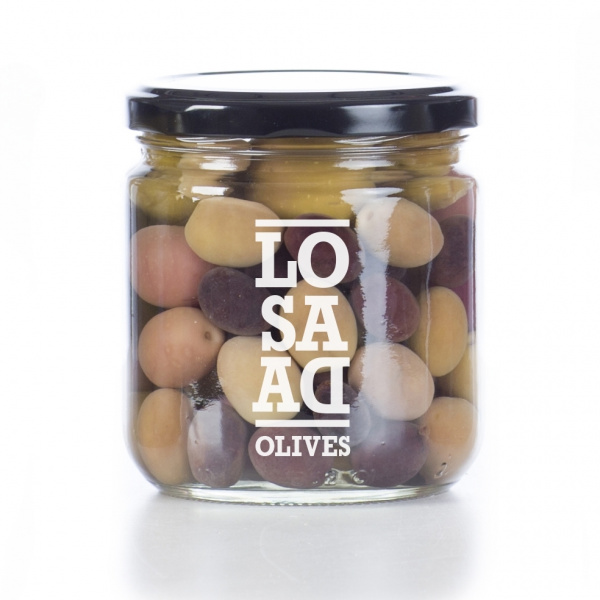
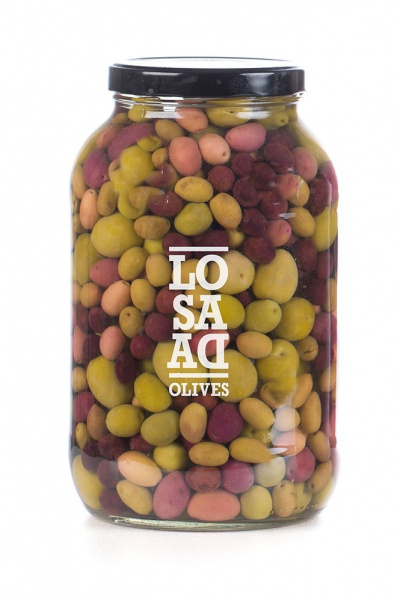
A colorful mix of olives with pits is great on its own as a snack or served as part of an appetizer or tapas menu. If you like herbs, you can try a mix of olives with chili peppers, herbs, and garlic. Pitted Manzanilla olives are easy to pin onto canapés, and when finely chopped, they enhance homemade tartar sauce. Black olives, on the other hand, are excellent in salads.
Olives simply become a natural part of both everyday and festive meals and are a great go-to when unexpected guests knock on your door.
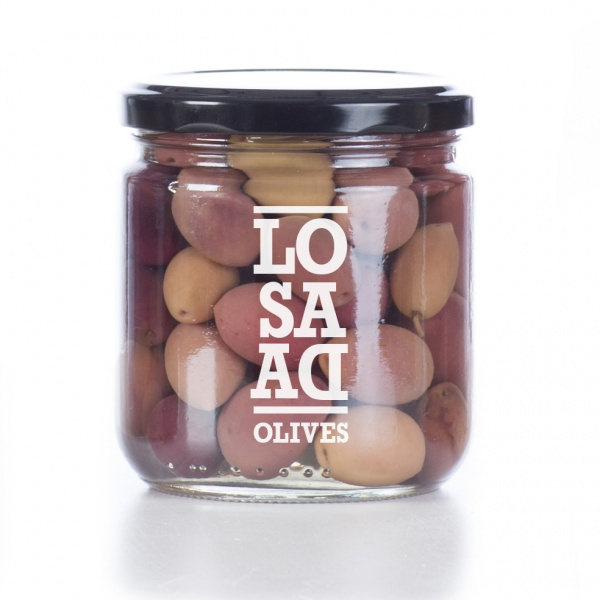
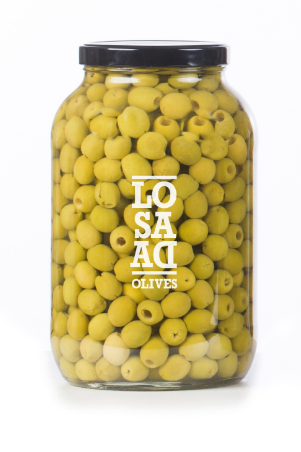
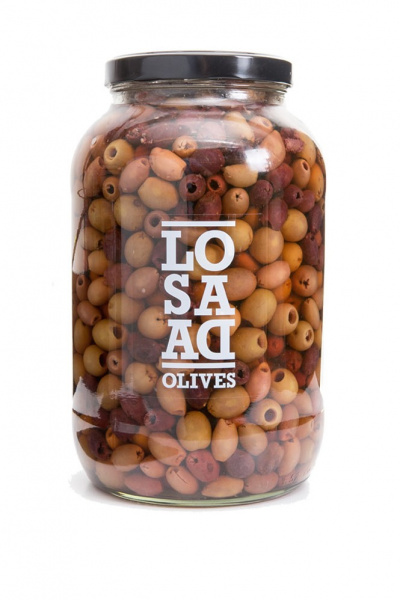
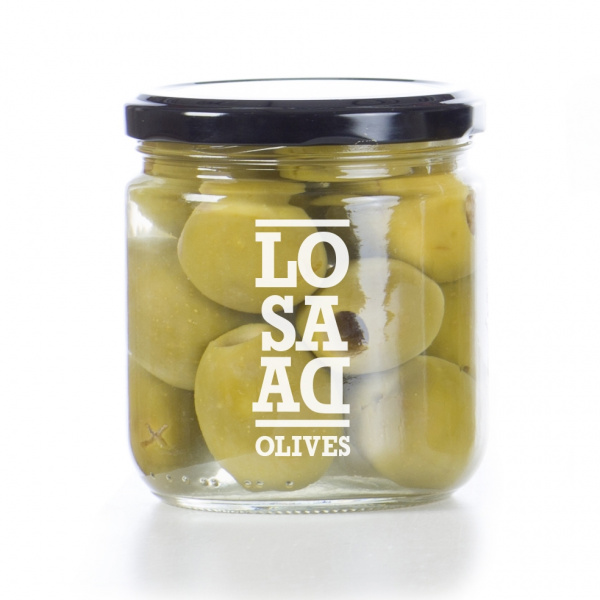
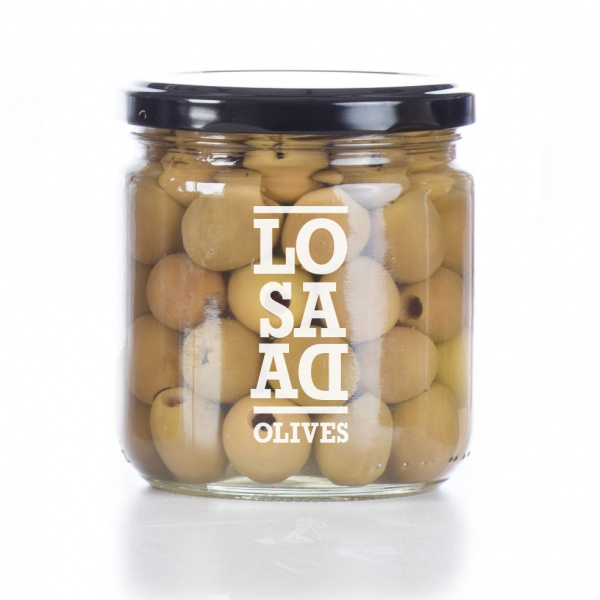
These aren’t the only types of olives you’ll find in our selection right now. We’ve selected olives produced by the family-run Losada company. Near Seville in southern Spain, they’ve been growing and harvesting olives exclusively by hand for nearly 60 years, processing them according to traditional methods and recipes. Their expertise in the field and emphasis on using natural ingredients guarantee the high quality of their products and a truly enjoyable experience.
.jpg)
.jpg)